Making Global Cinema Experiences Easier to Build, Measure, and Improve
At Cinépolis, design was used as a tool to connect customer experience, business goals, operations, and global implementation. The work went beyond interiors: it included new cinema formats, seating systems, service journeys, circular economy initiatives, and design methods that helped teams turn ideas into scalable projects.

Building the Design Engine Behind Global Innovation
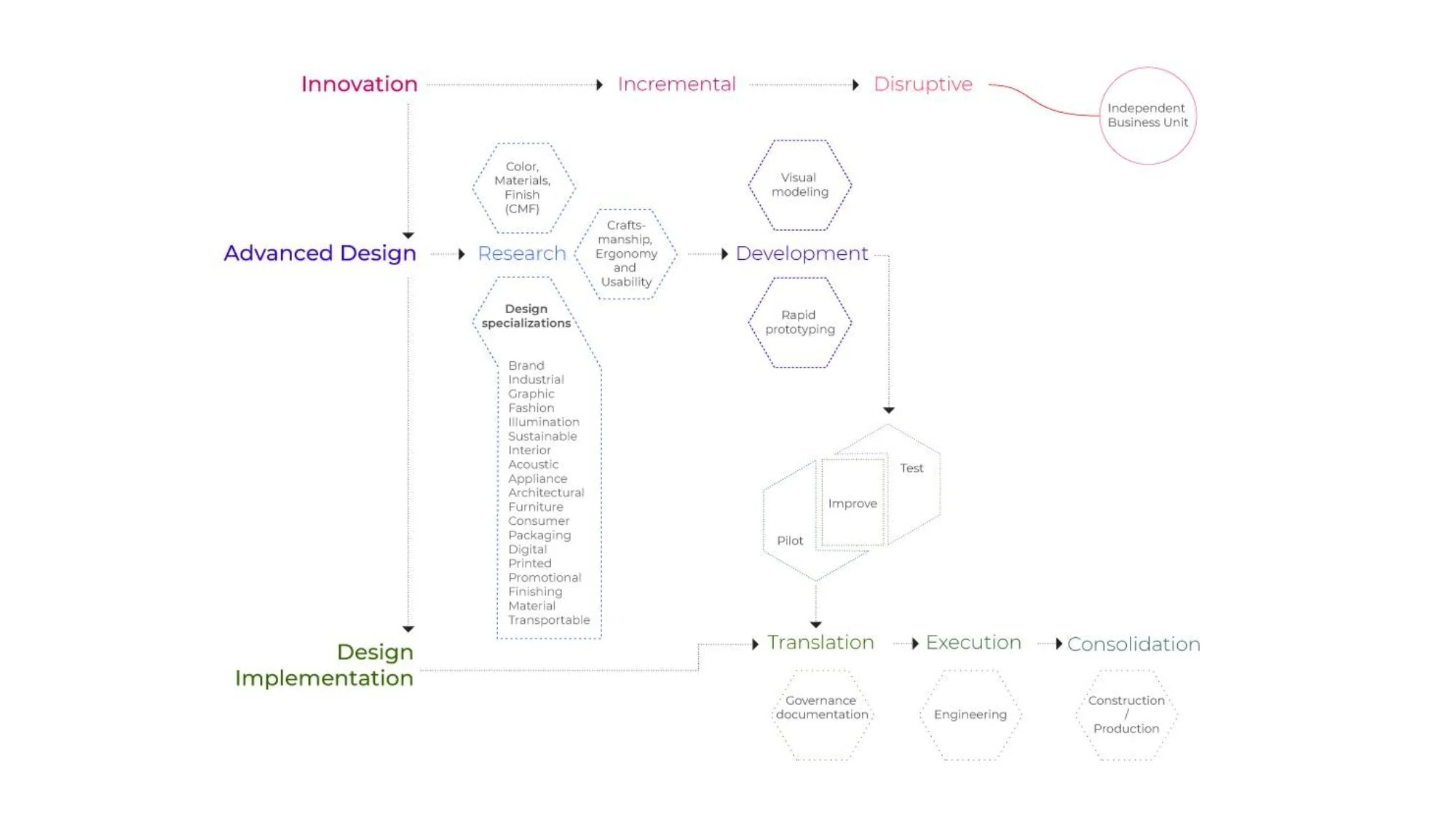
Before new cinema formats could be scaled, the design function needed a clearer way to work. At Cinépolis, design was structured to connect innovation, research, development, implementation, and execution, creating a shared process that helped ideas move from business opportunity to pilot, testing, improvement, and global rollout.
Turning Brand DNA Into Global Design Governance
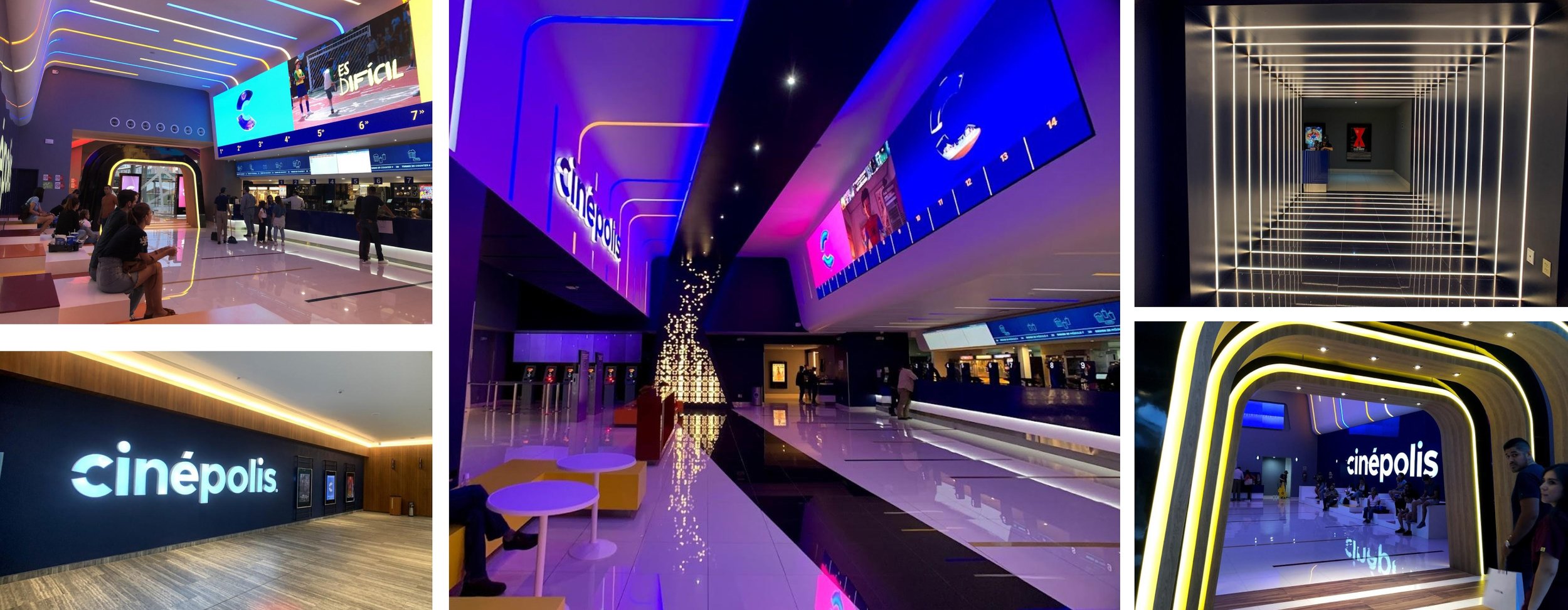
The Brand Design DNA translated Cinépolis’ values into practical design principles that could guide decisions across markets. It created a common language for interiors, furniture, lighting, materials, signage, and spatial experience, helping global teams execute with consistency while still adapting to local needs.

Translating Strategy Into Cinema Spaces Across Regions
Market research, journey mapping, and observational studies helped evaluate how people moved, chose, waited, reacted, and interacted across the cinema experience.


Applying the System Across the Customer Journey
The same journey-based methodology also informed service and interface decisions, connecting spatial experience with usability, operational flow, and customer behavior.

Expanding What a Cinema Experience Could Be
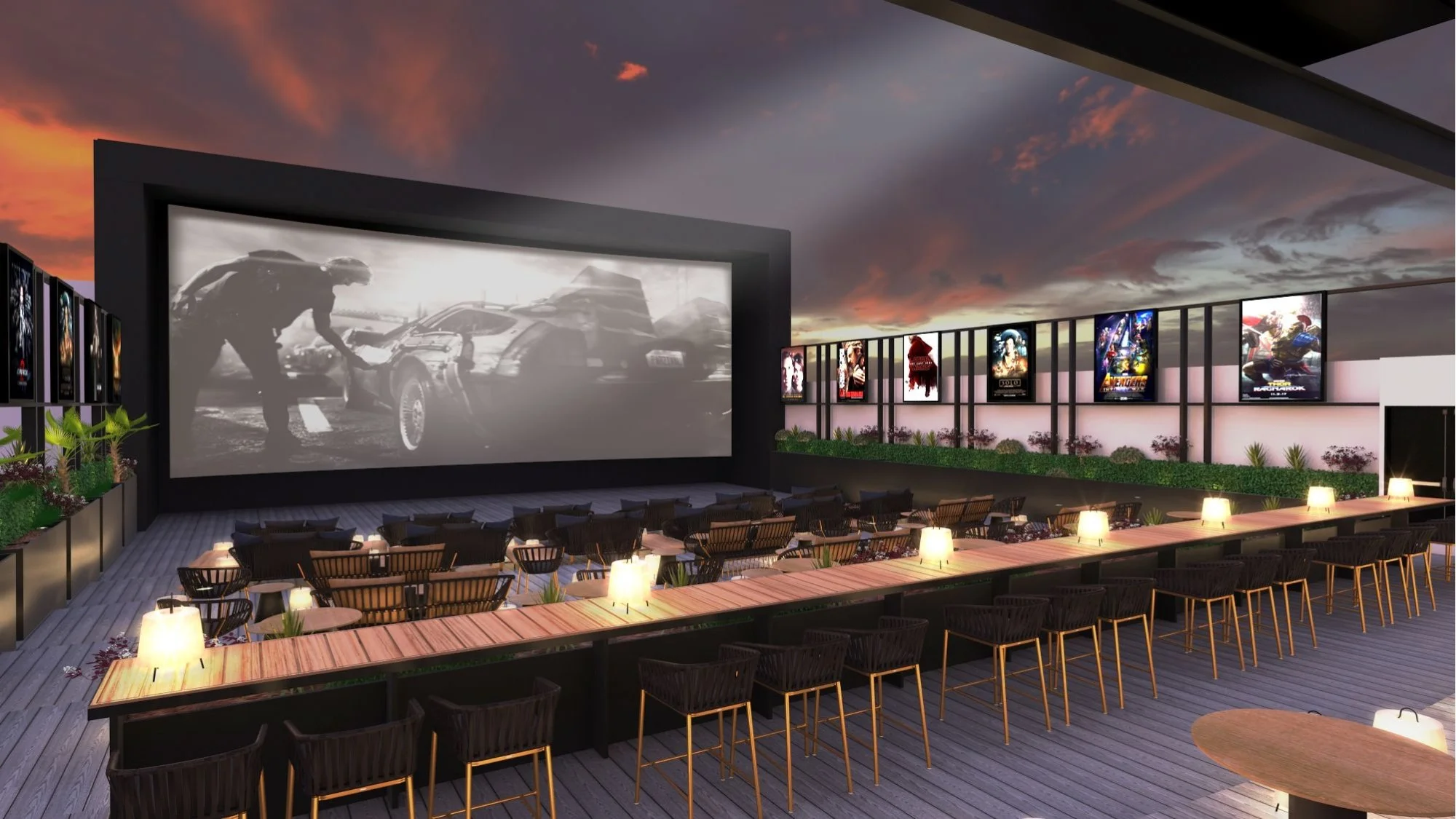
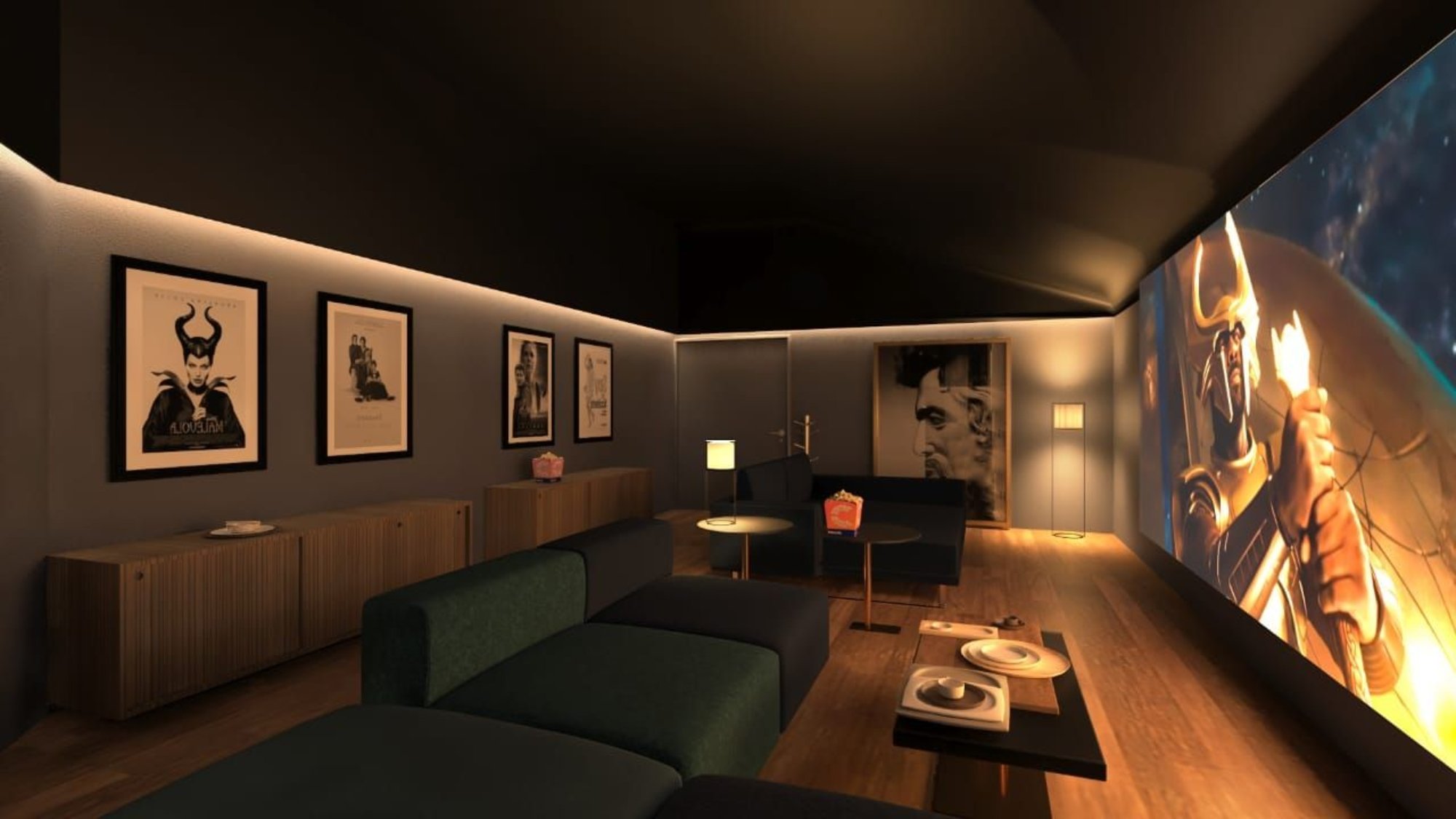
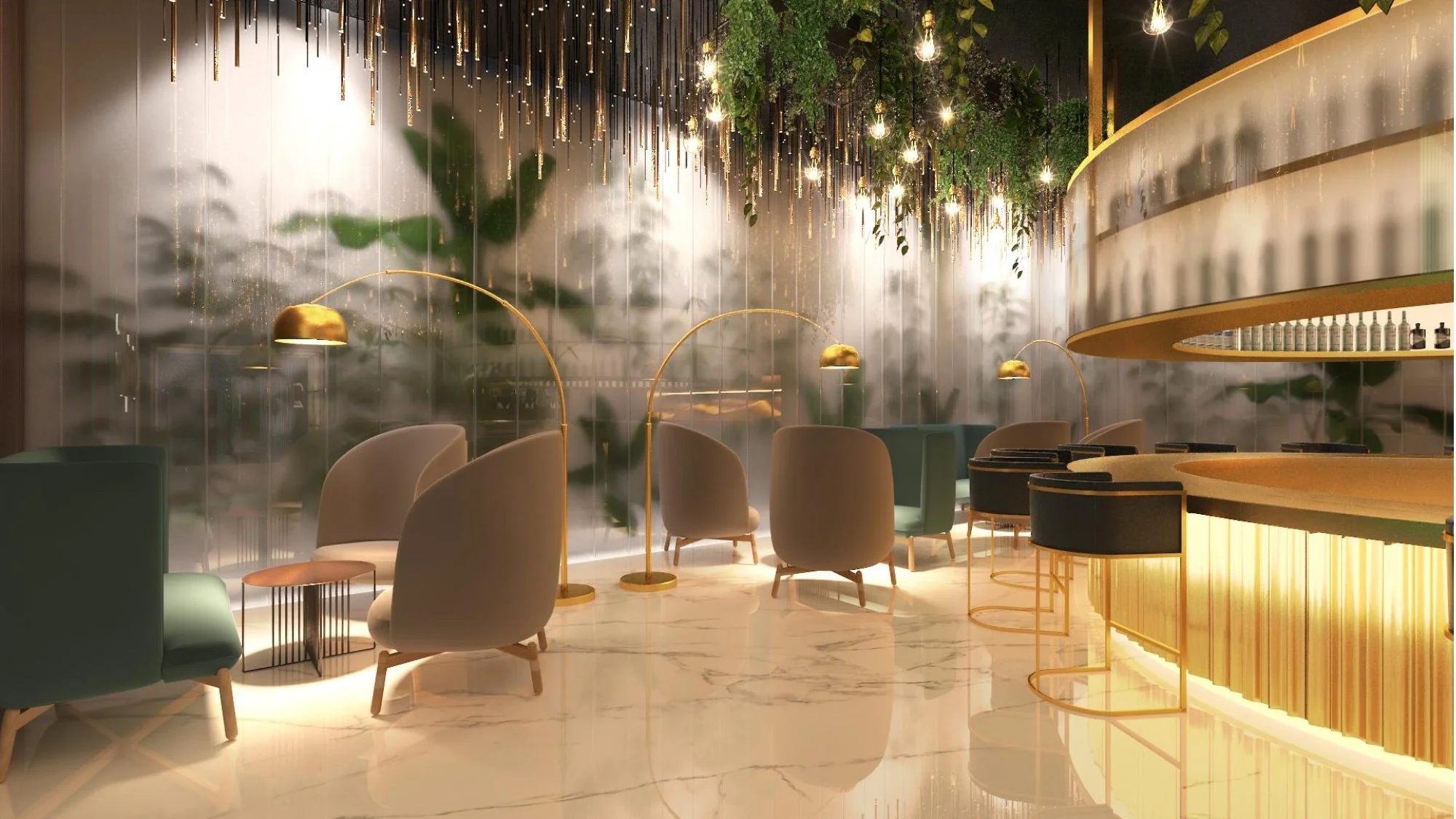
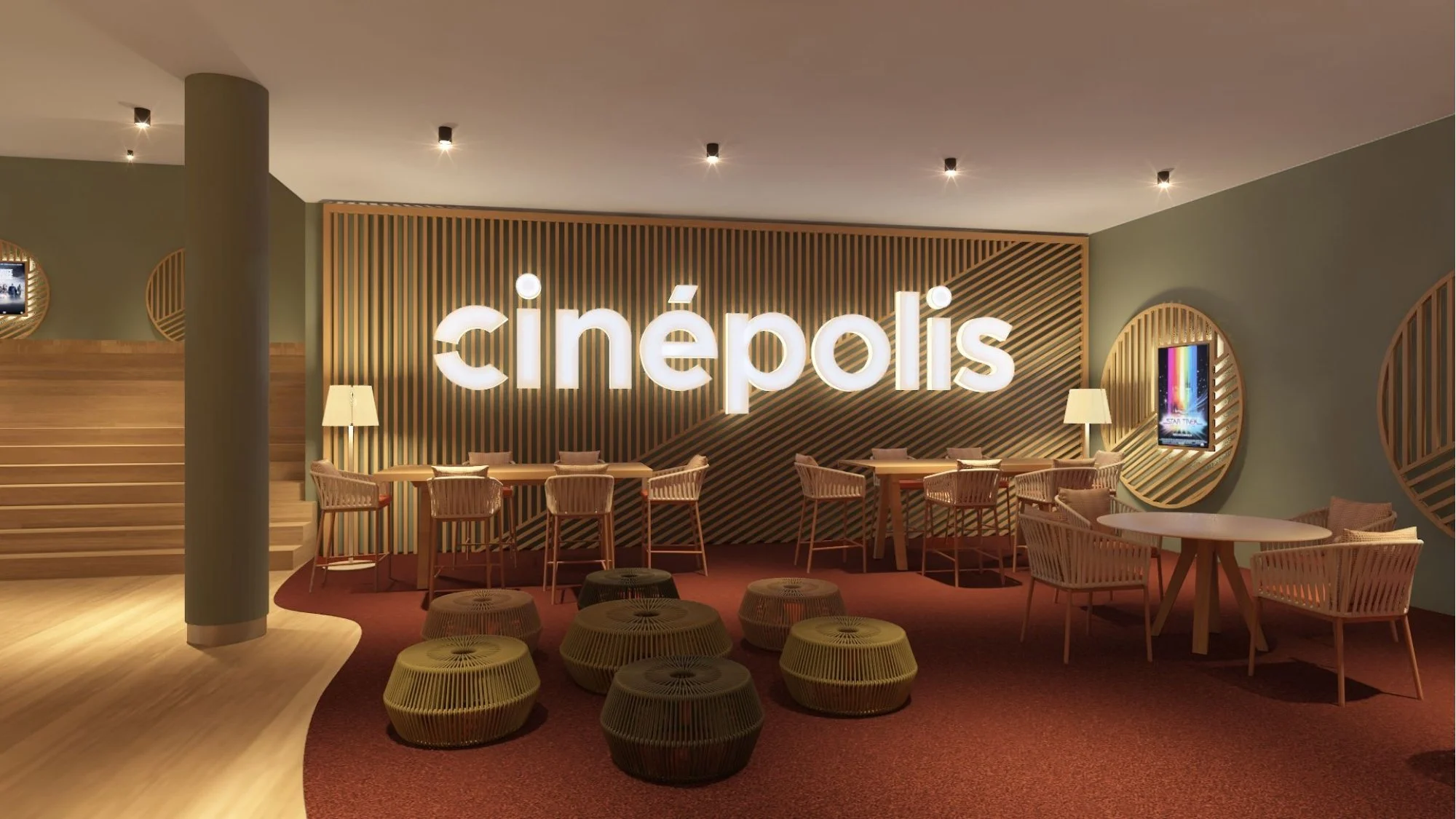
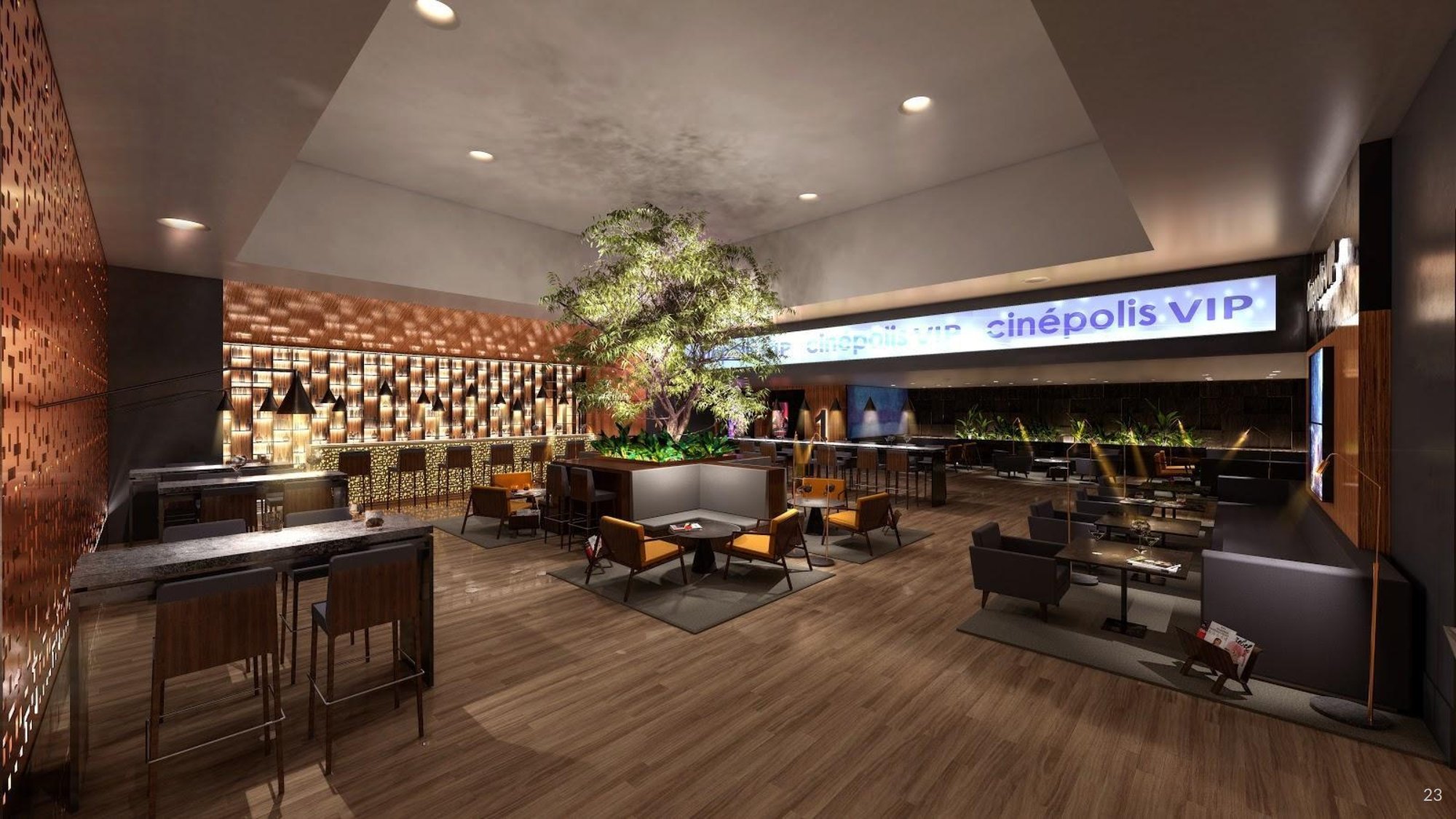
Designing Premium Experiences With Operational Logic


Turning Waste Into New Value
Circular economy was explored as a business opportunity. Cinema waste streams were studied and translated into new product possibilities, showing how operational waste could become material for future furniture, packaging, and seating concepts.

Redesigning Everyday Cinema Objects


Creating the First Global Quality System for Cinema Seating in the Exhibition Industry
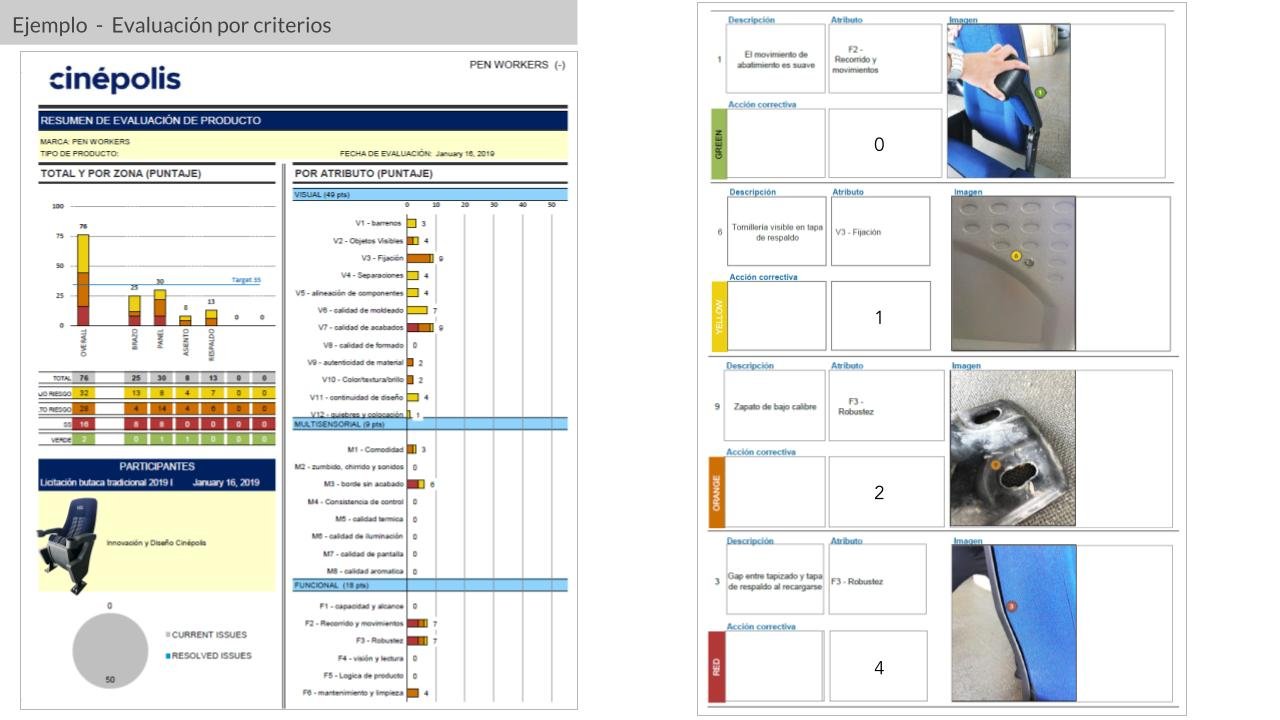
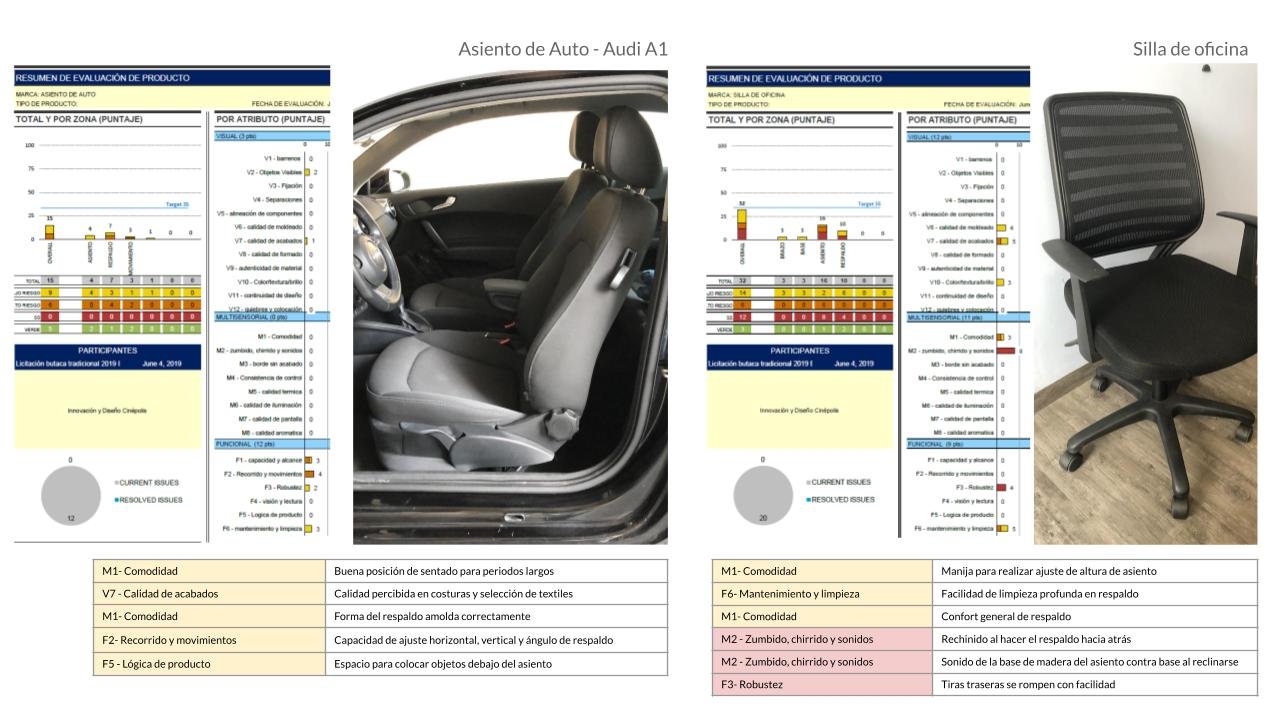
This initiative replaced preference-based seating decisions with a formal quality protocol for cinema seating. The system evaluated ergonomics, usability, and craftsmanship through user studies, pressure mapping, observation, and supplier documentation, creating a repeatable standard to develop, compare, certify, and scale seating across formats.

Measuring Seating Usability and Ergonomics
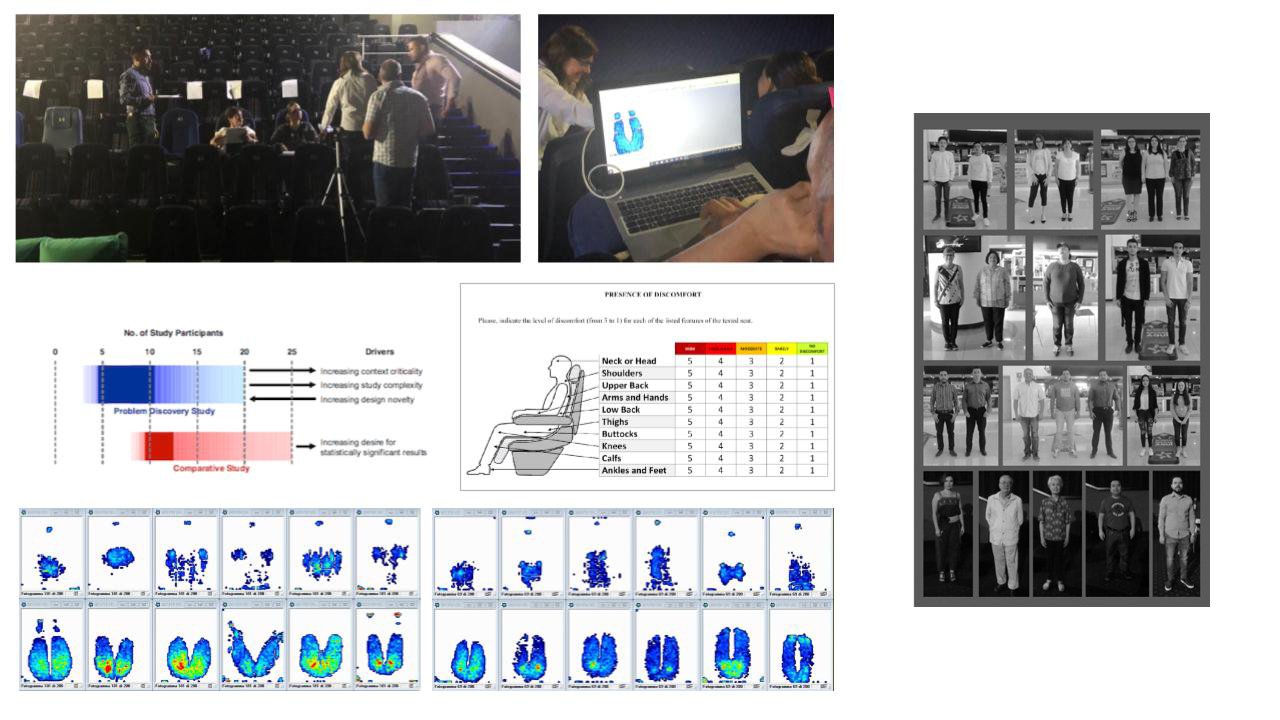
Turning Craftsmanship Into Measurable Standards
Developing the Next Generation of Cinema Seating


Impact
Reduced design development costs by 37%, reduced seating production costs by 33%, generated over USD 10M in savings through seating redesign, and opened new revenue opportunities through circular economy initiatives.
Selected exploratory work is available in a private walkthrough.
Let's find the right question.